


People search both “does water cause water retention” and “drink water to reduce water retention” — and both are half right.
Your body’s water system works less like a bank account and more like insurance: when supply is unreliable, it stockpiles, and the stockpile shows up as puffiness. Here is how to tell which half applies to you.
At a glance
- Backwards but true — when water is scarce, your body holds on to it. Drinking steadily usually reduces puffiness.
- The real culprits are salt, chugging before bed, and long hours without moving — not water itself.
- Sudden or one-sided swelling is not a hydration question. See a doctor first.
Why too little water makes you puffy
When fluid runs low, your body raises antidiuretic hormone and grips every drop it has. After a salty dinner or a few under-hydrated days, you are in storage mode. Start drinking steadily and the body learns supply is reliable — and lets the stored water go. That is the mechanism behind all those “drinking more water fixed my puffiness” stories.
Water never acts alone: it moves in lockstep with sodium and potassium. There is a reason the U.S. National Academies reference report covers water, sodium, and potassium in one volume — adjusting water while ignoring salt solves half the problem.
The real causes of morning puffiness
Everyday puffiness is usually some mix of these four.
- Salty dinners and late snacks — sodium hugs water. The morning after ramen is the proof.
- Chugging before bed — catching up at night on water you skipped all day. Output slows during sleep while the intake sits there; it shows up in your face. Shift it earlier with a daily schedule.
- Long sitting or standing — gravity pools fluid in your legs. Standing up once an hour genuinely helps.
- Hormonal cycles — premenstrual water retention is normal physiology. The fix is less sodium, not less water.
The anti-puffiness water checklist
The goal is not “less” — it is “steady.” Convince your body it never needs to worry about supply, and storage mode switches off.
- Hit your by-weight total (30–35 ml per kg), spread across waking hours.
- After the last hour before bed: half a glass max.
- Pair salty meals with an extra glass — and potassium foods like bananas or potatoes.
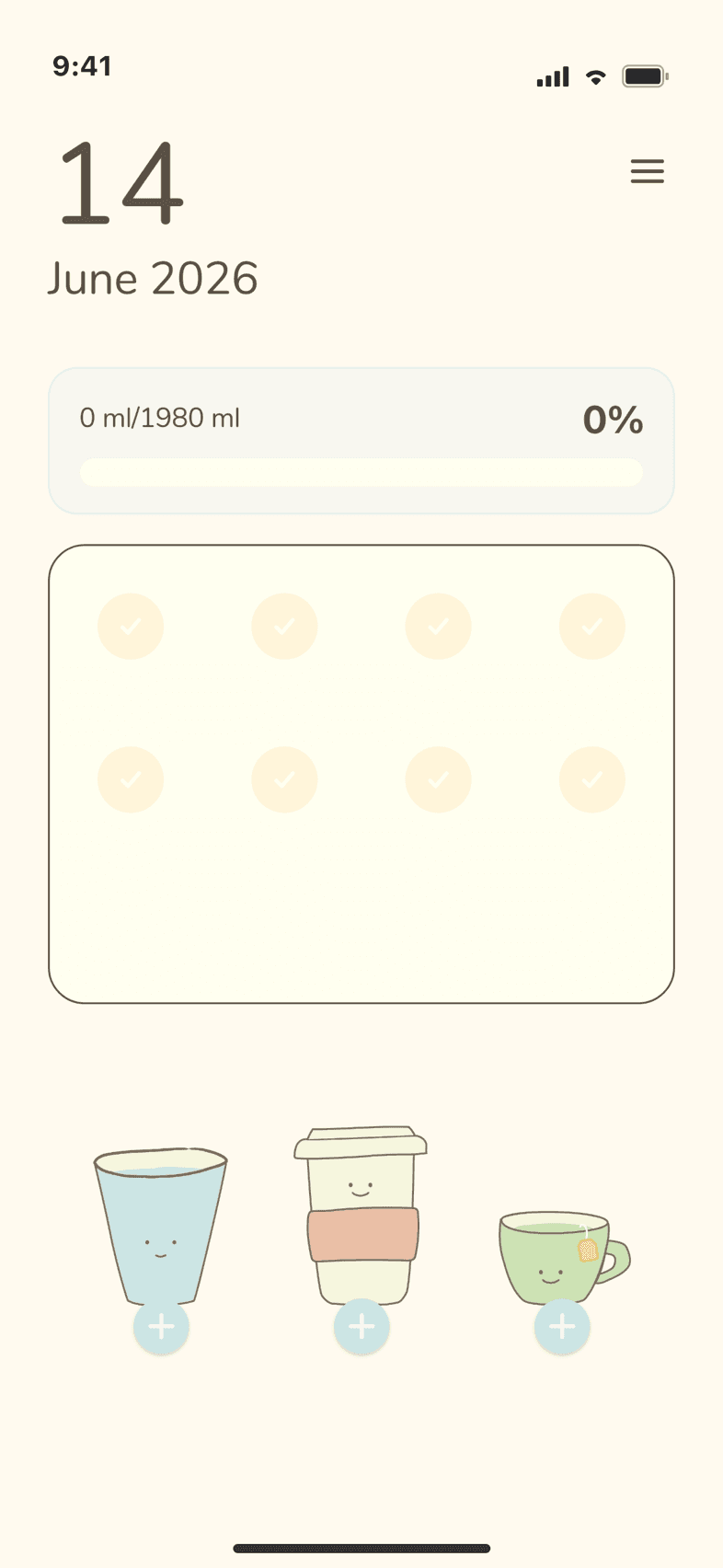
- Track for two weeks — the link between chugging days and puffy mornings becomes visible fast.
Frequently asked questions
- Does drinking a lot of water make your face puffy?
- With healthy kidneys, steadily-drunk water rarely does. Puffiness usually rides in with salt or with a big glass right before bed. Under-drinking, paradoxically, makes retention more likely, not less.
- How do I de-puff my face fast in the morning?
- A glass of water (restarts output), some light movement, and a low-salt breakfast — that is the honest toolkit. Skipping water is counterproductive: it pushes your body straight back into storage mode.
- Should I drink less water if I retain water?
- No — the opposite. Cutting water makes your body grip harder. Keep your by-weight total steady and cut sodium first. Exception: if you have kidney or heart disease, your doctor’s fluid limits come first.
How this guide was made
Written by the WOOMOOL editorial team. Every figure and claim was checked against the primary source linked in that paragraph (PubMed, MedlinePlus, NASEM, and similar); where the evidence is thin, we say so rather than overstate it. Drafts were written with the help of AI tools and fact-checked by a person before publishing.
This is general information, not medical advice or diagnosis. If you are pregnant, have a kidney or heart condition, or take medication, your doctor or pharmacist comes before anything here.